
OHS Compliance & Risk Management14 min readPublished 6 August 2026

Automotive Assembly & Manufacturing Plant Safety in South Africa

In-depth safety engineering guide for South African automotive assembly plants and component manufacturers, detailing Lockout-Tagout (LOTO), robotic cell safeguarding, and Driven Machinery compliance.

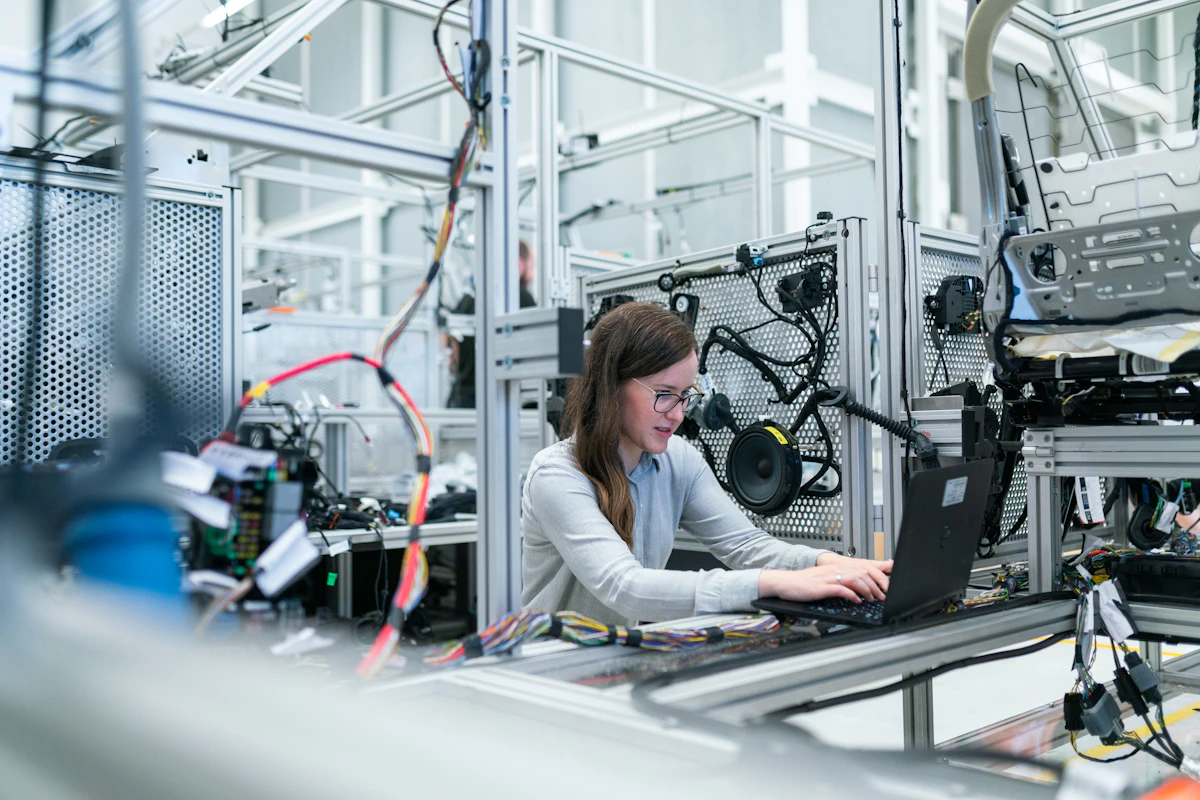
Automated robotic automotive assembly line with certified safety interlocks and lockout tagout stationsHigh-precision machinery safeguarding and zero-energy lockout governance.

1. Statutory Machinery Governance: GMR 2 Appointments

South Africa's automotive manufacturing hubs - concentrated in Pretoria (Rosslyn/Silverton), Port Elizabeth (Gqeberha), East London, and Durban - operate high-speed, automated production lines with massive electrical and mechanical power.

Under General Machinery Regulation 2, the employer must appoint a competent person in writing to supervise the operation and maintenance of all machinery. Where machinery exceeds 1,200 kW capacity, the appointee must hold a valid Government Certificate of Competency (GCC).

Diba BES works alongside factory directors and GMR 2 engineers to audit physical machine safety, draft compliant standard operating procedures, and conduct incident root-cause investigations.

Frequently Asked Questions

When is a GCC Engineer legally required in a factory?

Under General Machinery Regulation 2(1), a factory must appoint a certificated engineer holding a Government Certificate of Competency (GCC) if the total power generated or used by machinery exceeds 1,200 kW, or if electrical machinery with total rating exceeding 3,000 kVA is installed.

DM
Written by Diba Manufacturing & Engineering PracticeVerified by Orlinda Pieterson
Lead Industrial Safety EngineersPr.Eng, GCC Mines and Works, Certified Machinery Safety Expert

Diba BES is a 100% Black Women-Owned, Level 1 B-BBEE provider delivering occupational health & safety consulting, accredited workplace training, and commercial workplace services across South Africa since 2003.